 AU
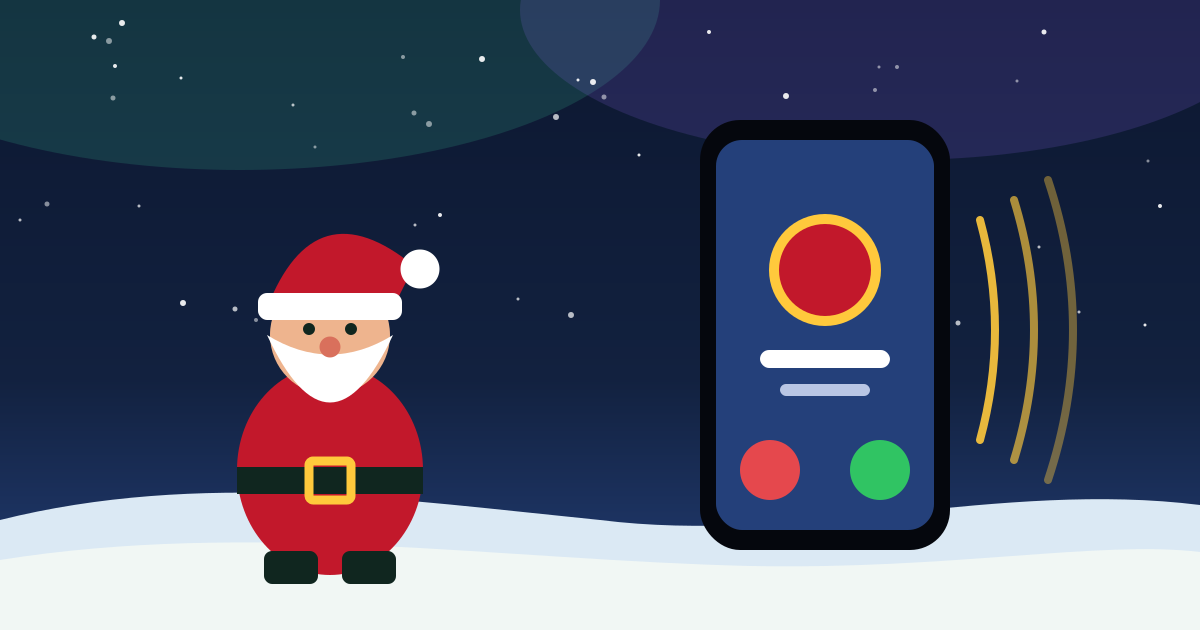
Every December, Australian parents make the same small decision: how should Santa get in touch this year? A letter from the North Pole, a message by email, or the phone ringing on a warm evening with Santa on the other end. They are all lovely. They just suit different children and different families.
A letter from Santa
A letter is something to hold. It can sit on the fridge for a month, go into the memory box, and come out again when they are grown up. Letters work best for children who can read, or who love being read to.
Australia Post runs Santa Mail every year, and in recent years children can hand their letter to the team at the Post Office counter and get Santa's reply on the spot. We have a full guide to writing to Santa with Australia Post.
What a letter cannot do is surprise them in the moment. It is opened, read and admired, and the magic is spread out rather than concentrated into one moment they will talk about for weeks.
A Santa message by email
An emailed message is a recording of Santa that says your child's name, with a screen that looks like Santa is calling. You choose exactly when to play it: in the car on the way to Nan's, after the Christmas pageant, or first thing on Christmas morning. You can listen to it yourself first, and you can play it again as many times as they ask.
This is the gentlest option for very young children and for kids who are shy on the phone. It is also the easiest one for families spread across Australia: send it to an aunt in Perth or a grandparent in Hobart and they can play it at a time that suits them.
A phone call from Santa
A phone call is the big moment. The phone rings, someone says "I think it's for you", and Santa is on the line saying their name. He tells them what he is proud of, asks what they would like for Christmas, and pauses while they answer. Then he wraps up with a job for Christmas Eve.
Calls suit children aged about three to eight best, who believe completely and love answering the phone. Book a time when they will be home and relaxed, such as just before dinner. Calls are made between 8am and 8pm, and the order form asks which state you are in, so Santa rings on your clock, not Sydney's. Read more about phone calls from Santa.
Which one should you choose?
- Under three: the email message, played on your knee. Keep it short and play it again.
- Three to eight: a phone call. This is the age when it lands hardest.
- Nine to twelve: either. Many prefer the email so they can play along for younger siblings.
- Teenagers and grown-ups: the cheeky versions are a good laugh at a family barbecue.
Can you do both?
Plenty of families do. A letter to Santa in late November, a Santa message on the first day of the school holidays, and a phone call on Christmas Eve eve. Each one keeps the story going, and none of them needs to cost much.
The thing that matters most
Whatever you choose, the magic comes from details that are true. Santa saying their name properly, praising something they really did this year, and asking about the thing they really want. Spend a minute on the order form getting those right, and the rest takes care of itself.
Common questions
What is the difference between a Santa call and a Santa message?
A call rings your phone at the time you book, and Santa asks your child what they would like for Christmas. A message is the same personal recording sent by email, to play whenever you like.
What age is best for a call from Santa?
Children aged about three to eight usually love a live call most. Younger children often do better with the email message on a parent's knee.
Can Santa call any state in Australia?
Yes. Choose your state on the order form and Santa rings at the time you pick on your own clock.